

· Community · 9 min read
How to Boost Player Engagement in Sports
The secret to successful sports events isn't just about organizing games—it's about creating a vibrant community where players want to return, connect, and grow together.

In the world of recreational sports, organizing a game is the easy part. The real challenge—and opportunity—lies in transforming one-time players into committed community members who show up week after week, bring their friends, and become ambassadors for your events. Whether you’re a host managing regular pickup games or a player looking to strengthen your sports community, engagement and retention are the keys to long-term success.
The Foundation: Why Engagement Matters
A thriving sports community doesn’t happen by accident. It’s built intentionally through consistent effort, genuine care, and strategic use of tools like Harley. When players feel connected to a community rather than just attending isolated games, magic happens:
- Consistent Attendance: Players prioritize events they feel invested in
- Word-of-Mouth Growth: Engaged players naturally recruit their friends
- Higher Quality Games: Regular attendees develop chemistry and skill together
- Sustainable Events: Predictable attendance makes planning and budgeting easier
- Positive Culture: Strong communities self-regulate and maintain standards
Think of your favorite local coffee shop. You don’t just go for the coffee—you go for the familiar faces, the welcoming atmosphere, and the sense of belonging. The same principle applies to sports communities.
Creating a Welcoming Environment for New Players
First impressions are everything. A new player’s initial experience determines whether they’ll become a regular or never return. Here’s how to nail those crucial first interactions:
Before They Arrive
Use Harley’s messaging features to send a warm welcome message to new registrants. Include:
- What to expect (skill level, game format, parking details)
- What to bring (equipment, water, appropriate footwear)
- A friendly note that emphasizes the community’s welcoming nature
During Their First Game
- Assign a Buddy: Pair newcomers with friendly regulars who can make introductions
- Make Introductions: Take 60 seconds before the game to introduce new players to the group
- Balance Teams Thoughtfully: Don’t stack teams—ensure new players have support
- Check In: A simple “How are you doing?” mid-game shows you care
- Avoid Inside Jokes: Be mindful that new players aren’t yet part of your history
After the Game
Follow up within 24 hours. A quick message saying “Great playing with you! Hope to see you next week” can make all the difference. Use Harley’s rating system thoughtfully—positive reviews for new players build their confidence and sense of belonging.
Building Regular Attendance and Commitment
Turning sporadic attendees into regulars requires strategy:
Consistency is King
Host games on the same day and time each week. Predictability allows players to build your event into their routines. Use Harley’s recurring event features to make this seamless.
The Power of Small Commitments
Encourage players to commit to a series rather than individual games. Offer discounts for multi-game packages through Harley’s payment system. This psychological commitment increases follow-through.
Create Friendly Competition
Implement season-long standings, MVP tracking, or team challenges. Harley’s data can help you track these metrics. People return to see their progress and maintain their standing.
Recognize Attendance Milestones
Celebrate players who hit 10, 25, or 50 games. A simple shout-out or small recognition goes far. Consider creating “Founding Member” status for your most committed players.
Fostering Community Connections Beyond the Game
The strongest communities transcend the activity itself. They’re about the relationships formed:
Extend the Experience
- Post-Game Hangouts: Designate a regular spot for those who want to grab food or drinks after
- Group Chats: Create a WhatsApp or Discord group for banter, highlights, and scheduling
- Off-Season Activities: Organize social events during breaks (BBQs, watching professional games together)
- Celebrate Milestones: Acknowledge birthdays, personal achievements, and life events
Facilitate Connections
As a host, you’re in a unique position to connect people with similar interests. Notice who might get along and make introductions. Some of your players might become genuine friends, business connections, or even romantic partners—all because you created the environment for those connections.
Share the Spotlight
Highlight player stories, achievements, or interesting backgrounds. A weekly “Player Spotlight” in your group chat or Harley event description humanizes your community and helps people see each other beyond just athletic ability.
Using Ratings and Reviews Effectively
Harley’s rating system is powerful when used constructively:
For Hosts
- Rate Thoughtfully: Focus on sportsmanship, punctuality, and positive attitude
- Be Generous: Default to positive ratings unless there’s a real issue
- Provide Context: Use private feedback for constructive criticism
- Recognize Excellence: Call out players who elevate the community
For Players
- Give Specific Praise: Rather than just 5 stars, note what made the event great
- Be Constructive: If rating lower, offer actionable feedback
- Appreciate Organization: Acknowledge hosts who go the extra mile
- Build Reputation: Your thoughtful reviews build your credibility
The Mutual Growth Loop
Positive ratings create a virtuous cycle: good players get recognized, hosts improve based on feedback, and everyone becomes more invested in maintaining high standards.
Handling Conflicts and Maintaining Positive Culture
No community is without challenges. How you handle conflict determines your community’s health:
Set Clear Expectations
Establish and communicate standards for:
- Sportsmanship and respect
- Physical play boundaries
- Punctuality and cancellation policies
- Payment commitments
- Inclusive language and behavior
Post these in your Harley event descriptions and remind players regularly.
Address Issues Quickly
Don’t let problems fester. If someone’s behavior is problematic:
- Address it privately first
- Be specific about the concern
- Explain the impact on the community
- Give them a chance to improve
- Make tough decisions if needed
Empower the Community
Create a culture where regulars help maintain standards. When established players model good behavior and gently correct issues, you’re building a self-sustaining positive culture.
Know When to Part Ways
Sometimes, despite your best efforts, someone isn’t a fit. It’s okay to use Harley’s blocking features or politely suggest they might enjoy a different group better. Protecting your community’s culture is more important than maximizing attendance.
Encouraging Player Feedback and Suggestions
Your most engaged players have valuable insights:
Create Feedback Channels
- Post-Event Surveys: Quick polls after games (skill level appropriate? game format enjoyable?)
- Monthly Check-ins: Send a message asking for suggestions
- Open Door Policy: Make it clear you welcome ideas anytime
- Act on Feedback: When you implement suggestions, acknowledge who provided them
Involve Players in Decisions
When considering changes (new location, different game format, pricing adjustments), survey your community. People support what they help create.
Create Leadership Opportunities
Identify engaged players and invite them to help with:
- Equipment management
- Social event planning
- Welcoming new players
- Managing communications
This investment deepens their commitment and lightens your load.
Organizing Social Events Alongside Sports Activities
Sports bring people together, but social events cement relationships:
End-of-Season Celebrations
Host a tournament, awards ceremony, or casual party. Use Harley to organize these events just like your regular games, with RSVP tracking and payment collection if needed.
Themed Events
Break up the routine with:
- Costume games (Halloween pickup basketball)
- Holiday tournaments
- Charity fundraiser games
- Skill challenges and competitions
Off-Field Activities
Not everything needs to be sports-focused:
- Watch parties for major sporting events
- Community service projects
- Group outings (hiking, bowling, escape rooms)
- Seasonal gatherings (summer BBQs, holiday parties)
These events attract players who might not make every game and strengthen bonds between regulars.
Leveraging Harley’s Community Features
Harley is designed specifically to help you build engaged communities. Maximize these features:
Event Descriptions
Use them to tell your community’s story. Share highlights from previous games, recognize standout players, and build excitement for upcoming events.
Messaging Tools
Regular communication keeps your community engaged between games. Share:
- Upcoming schedule reminders
- Weather updates or location changes
- Highlights or funny moments from recent games
- Community news and celebrations
Payment Processing
Seamless payment removes friction. Harley’s integrated system makes it easy for players to commit financially, which increases psychological investment and reduces no-shows.
Player Profiles
Encourage players to complete their profiles. Photos and bio information help people remember each other and facilitate connections.
Analytics
Track attendance patterns, payment history, and ratings over time. This data helps you understand what’s working and identify players who might need extra engagement to remain active.
Measuring and Improving Engagement Over Time
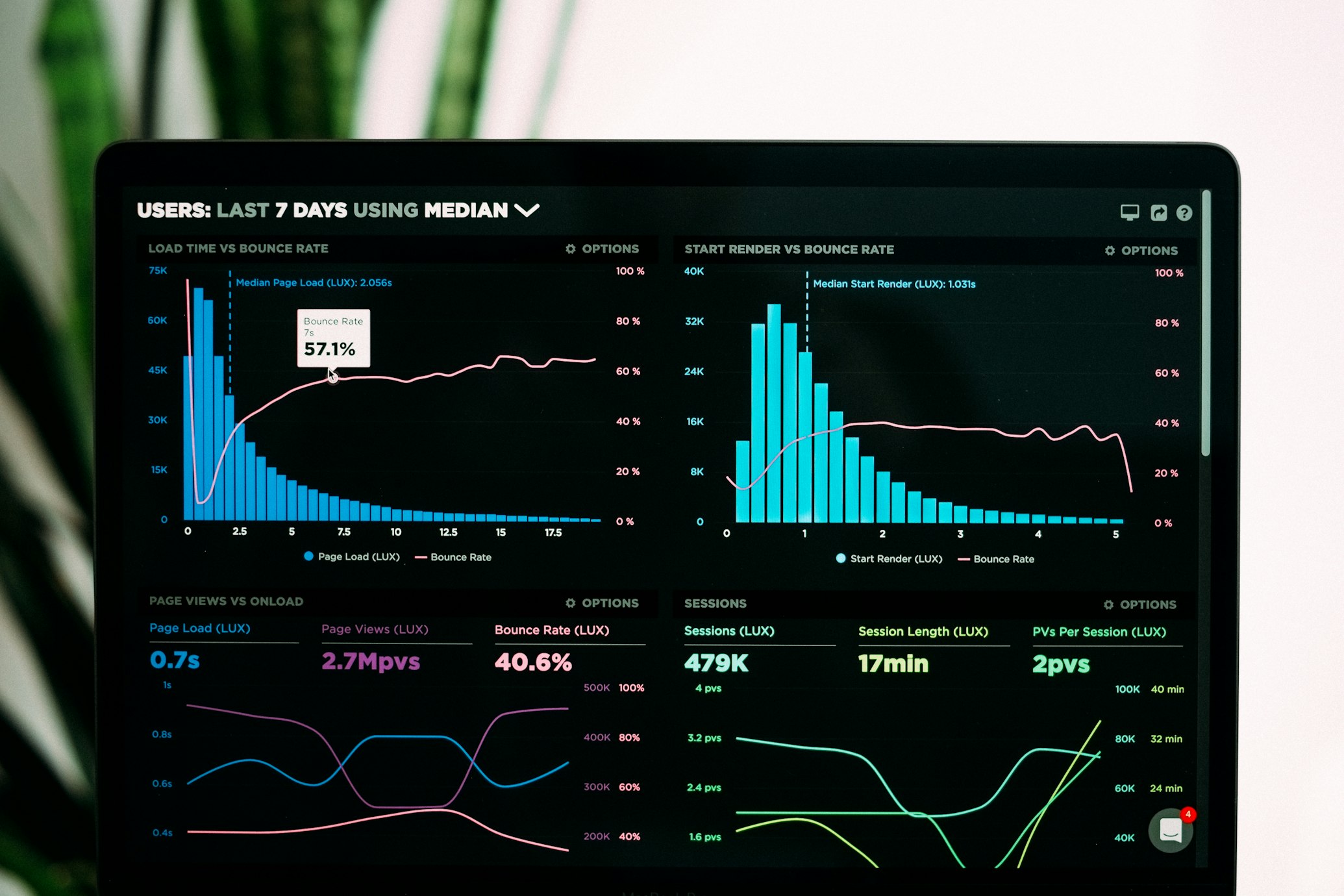
What gets measured gets managed. Track these key metrics:
Quantitative Metrics
- Repeat Attendance Rate: What percentage of players return?
- Average Games Per Player: Are people playing once or regularly?
- New Player Retention: Do newcomers come back?
- Fill Rate: Are you consistently reaching capacity?
- Cancellation Notice: Are players giving adequate notice?
Qualitative Indicators
- Post-Game Energy: Do people linger and chat, or rush off?
- Group Chat Activity: Is there vibrant conversation between games?
- Player Referrals: Are regulars bringing friends?
- Feedback Quality: Are players invested enough to provide thoughtful input?
- Self-Organization: Do players arrange pickups without you?
Continuous Improvement
Review these metrics monthly. When something shifts, investigate:
- Exit interviews when regulars stop attending
- Success analysis when retention improves
- Experimentation with new formats or approaches
- Celebration of milestones and achievements
The Long Game: Sustainable Community Building
Building a thriving sports community is a marathon, not a sprint. Some players will come and go—that’s natural. Focus on creating an environment so positive that people want to stay and tell their friends.
Remember: Every interaction matters. Every message you send, every game you organize, every conflict you handle gracefully, and every celebration you facilitate either strengthens or weakens your community bonds.
The hosts who succeed long-term aren’t necessarily the best athletes or the most skilled organizers. They’re the ones who genuinely care about their players, invest in relationships, and create spaces where people feel valued and connected.
Your Next Steps
Ready to transform your sports events into a thriving community? Start here:
- This Week: Send a personal message to three regular players thanking them for their commitment
- This Month: Organize one social event (even just post-game drinks)
- This Quarter: Implement one new engagement strategy from this guide
- This Year: Build traditions that players will look forward to annually
Use Harley’s tools to make this all manageable. The platform handles the logistics so you can focus on what matters most: the people.
Conclusion
The difference between a successful event and a transformative community comes down to engagement. When players feel seen, valued, and connected, they become more than attendees—they become advocates, friends, and the foundation of something special.
Sports have the unique power to bring diverse people together around shared joy and healthy competition. By intentionally building engagement and retention, you’re not just organizing games—you’re creating spaces where people build friendships, find support, and experience the joy of belonging.
Your community is waiting. Every player who walks onto your court, field, or pitch is a potential long-term member. With thoughtful effort, genuine care, and strategic use of tools like Harley, you can build something truly special: a community that thrives for years to come.
The games will be played whether you invest in engagement or not. But the memories, friendships, and sense of belonging that come from a true community? Those only happen when you make them a priority.
Start today. Your future regulars will thank you.